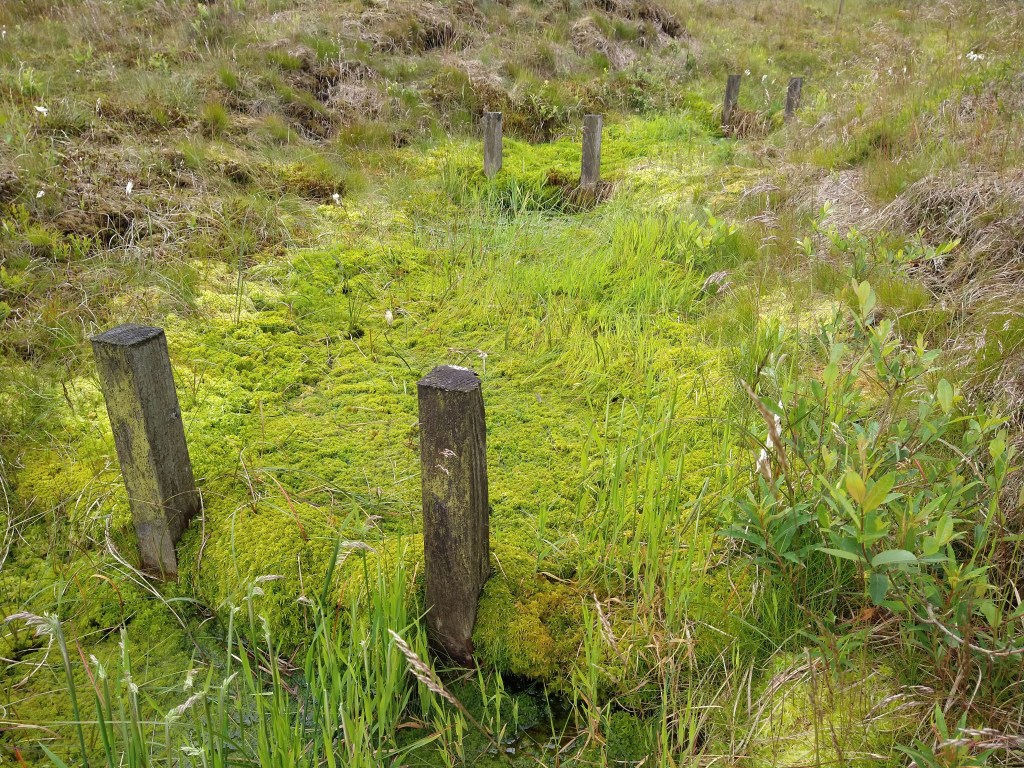
Peatlands are found worldwide and function as a global long-term sink of atmospheric carbon dioxide and regionally as a sink of toxic heavy metals. The ability of peatlands to regulate their water content through a suite of ecohydrological feedbacks and moss traits has ensured their long-term ecological and hydrological stability in response to external pressures. However, as global climatic conditions change these long-term ecosystem processes are impacted beyond a threshold of resilience, shifting peatlands to a source of heavy metal pollution.
Peatlands in a degraded state are particularly susceptible to disturbances, such as fire, which can release their store of heavy metals into the environment and local drinking water catchments. Warmer and drier conditions under predicted future climate conditions are expected to increase wildfire prevalence in peatlands. The release of previously sequestered heavy metals from degraded peatlands arguably therefore represents a significant global environmental challenge.
 Peat Metal